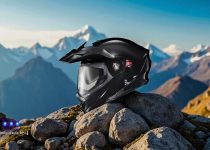
The Ultimate Ride: Is This the Best Bike Ever Made?
The shift to electric transportation is happening at an unprecedented pace. This presentation explores some of the most innovative electric vehicles currently redefining personal mobility. We’ll examine everything from cutting-edge flying cars to unique underwater scooters, showcasing how the future of transportation is already here and powered by electricity.
Electric Mobility Buying Guide: Key Factors to Consider
Before purchasing any of the devices listed, it’s essential to consider your intended use case and local regulations. The right vehicle for you depends on where you plan to ride it and what you need it to do.
E-Bikes and E-Motorcycles (Segway Xyber, Ola Diamondhead, Hybridizer SANN)
Range and Battery: Look at the ‘km’ or ‘miles’ range. The Segway Xyber’s 180 km range is exceptional for long-distance travel, while the Ola Diamondhead’s specs are still under wraps. The Hybridizer SANN has a 720 Wh battery, which is a key metric for determining its capacity.
Motor and Power: Motor power is measured in Watts (W) or Newton-meters (Nm) of torque. Higher numbers mean better acceleration and hill-climbing ability. The Xyber’s 175 Nm of torque is very high, rivaling some motorcycles. The Hybridizer SANN has a 95 Nm motor with different power outputs (250W for Europe, 350W for the US) to comply with regional laws.
Suspension and Terrain: Full suspension is crucial for off-road use. The Xyber has 110 mm of front travel and 100 mm in the rear, while the Hybridizer SANN has even more (170 mm front, 164 mm rear), making it a true mountain bike.
Electric Scooters, Unicycles, and Skates (MAXFUN 10 MAX, Linky 2.0, Begode X-Way, AtmosGear)
Power and Speed: These devices vary greatly. The MAXFUN 10 MAX scooter boasts dual 5,600W motors and a top speed of 88 km/h, which is extremely fast and may be illegal in many areas. The Begode X-Way unicycle has a 4,500W motor, indicating significant power for its single-wheel format. In contrast, the AtmosGear skates are designed for a more moderate speed of 29 km/h.
Portability and Weight: Consider how you’ll transport the device. The Linky 2.0 longboard folds and weighs just 5.8 kg, while the Begode X-Way unicycle is a heavy 42 kg, making it less convenient for carrying onto public transport.
Battery and Range: The Begode X-Way has a massive 3,000 Wh battery for extended range. The MAXFUN 10 MAX scooter’s 112 km range is also substantial. The AtmosGear skates offer a more modest 26 km range, which is fine for shorter trips.
Electric Watercraft (Brabus x Awake Shadow Explore, Otter, Proteus 310, Havocspark Kaden-1, Whiteshark Mixpro)
Intended Use: Are you looking for a leisurely cruise or a high-speed thrill? The Otter water bicycle (12 km/h) and the Proteus 310 boat (48 km/h) are for different experiences. The Brabus jetboard (11 kW motor) and Havocspark Kaden-1 (16 kW motor) are for performance.
Battery Life and Range: The Whiteshark Mixpro underwater scooter offers an hour of use. The Proteus 310 boat has a remarkable 157 km range, suitable for long voyages. The Havocspark Kaden-1 has over an hour of run time at full throttle, which is impressive for a high-performance personal watercraft.
Weight and Portability: The Havocspark Kaden-1 is a light 45 kg, making it easy to transport in a standard vehicle. The Whiteshark Mixpro is also lightweight and backpack-friendly.
Unique and Multi-Terrain Vehicles (CALLUM SKYE, TRINOVA, Wheelie Fun Bike, Acticycle, Strutt EV1, Horizon Cavarite X7, SkyDrive SD-05)
Functionality: These are highly specialized. The Callum SKYE is an off-road sports car, the TRINOVA is a city commuter, and the Acticycle is a two-person bike. The SkyDrive SD-05 and Horizon Cavarite X7 are for air travel and will likely have very different regulatory and licensing requirements than ground vehicles.
Regulations: Devices like the Wheelie Fun Bike and TRINOVA, with their unique features, may fall into legal gray areas depending on local laws. Flying cars like the SkyDrive SD-05 are in a category of their own, requiring aviation certifications.
Safety Features: Given their unique designs, safety is a key concern. The TRINOVA has an AI-powered safety system and 360-degree cameras. The Strutt EV1 mobility device has a co-pilot system to avoid obstacles.
FAQ
Q: Do I need a license to operate these vehicles?
A: It depends on the device and your location. Most e-bikes and scooters have maximum speed and power limits to be considered a bicycle and not require a license. Vehicles like the Ola Diamondhead motorcycle, Callum SKYE car, and especially the flying cars (SkyDrive SD-05, Horizon Cavarite X7) will absolutely require licenses.
Q: Can I ride these on public roads or bike paths?
A: This varies significantly by state, province, or country. In many places, e-bikes and low-speed e-scooters are allowed on bike paths. High-speed scooters like the MAXFUN 10 MAX and motorcycles will be restricted to roads. Devices like the Wheelie Fun Bike, which is designed for continuous wheelies, may not be street legal at all. Always check local laws and regulations before purchasing.
Q: How do I charge the batteries, and how long does it take?
A: Most of these devices use a standard wall outlet with a proprietary charger. The Proteus 310 boat offers a fast charge in just two hours, while the MAXFUN 10 MAX scooter takes about seven hours. Some have removable batteries (like the MAXFUN 10 MAX and the Ather Rizta scooter), which is convenient for charging away from the vehicle.
Q: How do I maintain these electric vehicles?
A: Maintenance is generally lower than for gasoline-powered vehicles. For devices with traditional bike parts (e.g., e-bikes, e-scooters), you’ll still need to maintain brakes, tires, and suspension. For watercraft, you’ll need to clean them and store them properly to prevent corrosion. Battery health is also important, so follow the manufacturer’s charging and storage guidelines to prolong its life.
Q: What is the benefit of a hub motor versus a mid-drive motor?
A: A hub motor, like the one on the Wheelie Fun Bike, is simpler and puts power directly to the wheel. A mid-drive motor, common in e-bikes, is located near the pedals, which allows it to leverage the bike’s gears, making it more efficient for climbing hills.